Table of ContentsClick to view all sections
- Joining Formalities Guide: Start with your offer and instructions
- Joining documents: What to keep ready
- Joining process: A practical preparation timeline
- Forms, personal information and safe handling
- First-day checklist
- Bank and other regulated-role joining: Check the specific notice
- Common joining problems and how to avoid them
- Final Takeaway
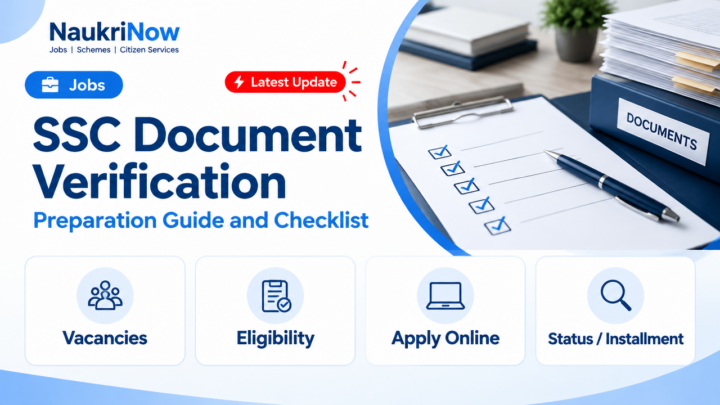
This Joining Formalities Guide helps you move from accepting a job offer to reporting for work with fewer last-minute surprises. Requirements differ by employer, role and location, so treat your appointment letter and official HR instructions as the final authority—not a general checklist.
Joining Formalities Guide: Start with your offer and instructions
Before arranging documents or making travel plans, read the offer or appointment communication carefully. Confirm the details that affect your joining, and ask the employer’s HR or recruitment contact to clarify anything that is missing or inconsistent.
| What to check | What to confirm |
|---|---|
| Employer and role | Company or institution name, job title, department and reporting location. |
| Joining arrangements | Reporting date and time, venue or online instructions, and the name or contact of the person to report to, if provided. |
| Employment terms | Review the stated compensation, work location, probation or notice conditions and other terms in your letter. Raise questions before signing if something is unclear. |
| Required actions | Note any forms, document copies, declarations, medical checks or other steps specifically requested, along with their deadlines. |
Do not rely on an informal message or an old recruitment notice to override a later official instruction. If instructions conflict, contact the employer through a channel you have independently verified.
Joining documents: What to keep ready
The list below covers documents employers commonly request during onboarding; it is not a universal requirement. Prepare only what your employer asks for, and check whether originals, copies, scans or a particular format are needed.
| Document group | Examples | Practical check |
|---|---|---|
| Identity and contact | Government-issued identity or address proof, as specified by the employer. | Check that your name and details match your joining records. Ask HR which proof is accepted. |
| Education and professional records | Degree, marksheets, certificates, licences or role-specific qualifications. | Arrange them in the order requested. Keep originals available if verification is scheduled. |
| Previous employment | Experience or relieving documents, or other service records where relevant. | Submit only the records applicable to your work history and the employer’s instructions. |
| Payroll and tax details | Bank account or tax identification details if requested for payroll setup. | Use the employer’s approved submission method. Do not send sensitive details to an unverified contact. |
| Other requested items | Photographs, signed declarations, medical or fitness records, or name-change documents, if specified. | Confirm the required format, number of copies and whether the item applies to your role. |
Prepare originals and copies separately
- Keep originals in a secure folder and arrange copies or digital scans separately.
- Label digital files clearly and check that scans are readable, complete and in the requested format.
- Carry originals for inspection only when instructed. If an original must be retained, ask for written acknowledgement or a receipt.
- If a name, date or other detail differs across records, tell HR early and ask what supporting explanation or document is acceptable.
Joining process: A practical preparation timeline
| Step | Action |
|---|---|
| 1. Review | Read the offer and joining instructions. Record the date, reporting arrangements, deadlines and named contact. |
| 2. Clarify | Ask HR about unclear terms, missing instructions, document formats, dress expectations or access arrangements before joining day. |
| 3. Organise | Prepare the requested documents and complete forms using accurate, consistent information. Leave any section you do not understand for clarification rather than guessing. |
| 4. Confirm logistics | Plan your route or online access, check travel time and keep the employer’s contact details available in case of a delay. |
| 5. Report and follow up | Arrive or connect as instructed, complete the remaining onboarding steps and note any pending items with their agreed deadlines. |
Forms, personal information and safe handling
Joining forms may ask for contact details, emergency contacts, education or employment history, payroll information and declarations. The exact forms depend on the employer. Complete them honestly, check entries before signing and ask what a declaration means if you are unsure.
- Use the official HR portal, company email address or other channel identified in verified joining instructions.
- Do not share passwords, one-time codes or financial credentials as part of routine onboarding.
- Before sending identity or banking documents, verify who is requesting them and why. Follow any instructions about masking information where accepted.
- Keep a record of submitted forms and documents, but store personal copies securely.
- Be cautious if someone requests money, sensitive information or urgent action through an unverified account. Confirm directly with the employer before responding.
First-day checklist
| Before you leave or log in | On arrival or during the first-day session |
|---|---|
| Recheck the reporting time, location or meeting link and contact person. | Introduce yourself to the reporting manager or HR representative and follow the check-in process. |
| Carry the documents and items specifically requested, plus a copy of your joining instructions. | Ask where to submit documents and whether originals are needed for inspection. |
| Plan appropriate clothing based on any employer guidance or the role and workplace. | Note key contacts, work timings, attendance arrangements and immediate next steps. |
| Keep your phone reachable and allow time for travel or technical setup. | Ask how to access workplace systems and where to find policies or onboarding material. |
Bank and other regulated-role joining: Check the specific notice
For a bank, public-sector organisation or another regulated employer, selection or a result notice may not contain the complete joining procedure. The appointing employer may issue separate instructions about verification, forms, medical fitness, posting or reporting. Do not assume these steps apply to every organisation or candidate: follow the relevant appointment communication and contact the official recruitment or HR channel if a notice is unclear.
Common joining problems and how to avoid them
| Potential issue | What to do |
|---|---|
| Missing or inconsistent documents | Compare your records with the requested list early. Tell HR about a discrepancy and ask what alternative evidence, if any, can be considered. |
| Unclear date, venue or online access | Seek written confirmation from the employer before travelling or relying on a meeting link. |
| Incomplete or inaccurate forms | Review every entry before submission. Correct errors promptly through the stated process rather than submitting duplicate or altered versions without explanation. |
| Unverified request for personal data or payment | Pause and confirm the request through contact details from a trusted employer communication. Do not rely solely on the sender’s message. |
| Delay on joining day | Notify the designated contact as soon as possible and follow the employer’s directions. |
Joining Formalities Guide details should always be checked against the latest official notification or portal before taking action.
Final Takeaway
A smooth start depends on following the instructions for your particular role, not collecting every document that might appear on a general list. Review the offer, confirm uncertainties with HR, prepare requested records securely and keep a written note of any pending onboarding steps. This Joining Formalities Guide is a planning aid; your employer’s official communication determines what you must complete.
Frequently Asked Questions
What documents should I take on my first day?
Take the documents specifically listed in your joining instructions. These may include identity, education or previous-employment records, but requirements vary. Confirm whether originals, copies or digital files are needed.
Should I hand over original certificates to my employer?
Do not assume originals must be surrendered. Carry them for inspection only if instructed. If an original is to be retained, ask why and request written acknowledgement or a receipt.
Is an offer letter enough to join?
Not always. The employer may send a separate appointment letter, reporting instructions, forms or verification requirements. Check all official communications and ask HR what remains outstanding.
What if a joining instruction is unclear or conflicts with another message?
Contact the employer’s verified HR or recruitment channel and request clarification in writing. Avoid acting on an unverified message when it conflicts with official instructions.
What should I do if my name or details differ across documents?
Flag the difference before joining day and ask HR which supporting records or explanation they will accept. Do not edit official documents yourself.
Can I submit joining documents by email or messaging app?
Use only the submission channel specified by the employer. Verify the recipient before sending identity, bank or other sensitive information, and do not share passwords or one-time codes.
Do bank jobs have the same joining process as other jobs?
No single process applies to every bank or recruitment. Follow the appointing organisation’s current appointment and joining instructions; a selection notice may not include every later step.
What should I do if I cannot report on the scheduled date?
Contact the designated employer representative as early as possible, explain the situation and ask for written guidance. Do not assume the joining date has changed unless the employer confirms it.

Comments