Table of ContentsClick to view all sections
- What does payment status mean?
- Before you check: keep these details ready
- How to check a payment status
- Common payment messages and what to do
- If money was debited but the portal says unpaid
- If a payment failed or the amount was returned
- Payment status is not the same as application status
- Payment safety: protect your money and personal details
- Mistakes to avoid
- Conclusion
A payment can leave your bank account before the website or service you paid updates its records. It may also appear successful in a payment app while the receiving portal still shows it as pending. These differences can be confusing, especially when you are paying an application fee, service charge or bill.
This guide explains how to check a payment status, what common messages usually mean and how to respond when the amount and the portal do not agree. The exact process and timelines depend on the bank, payment provider and organisation receiving the money. For current, transaction-specific information, use the official portal or contact details published by the responsible organisation.
What does payment status mean?
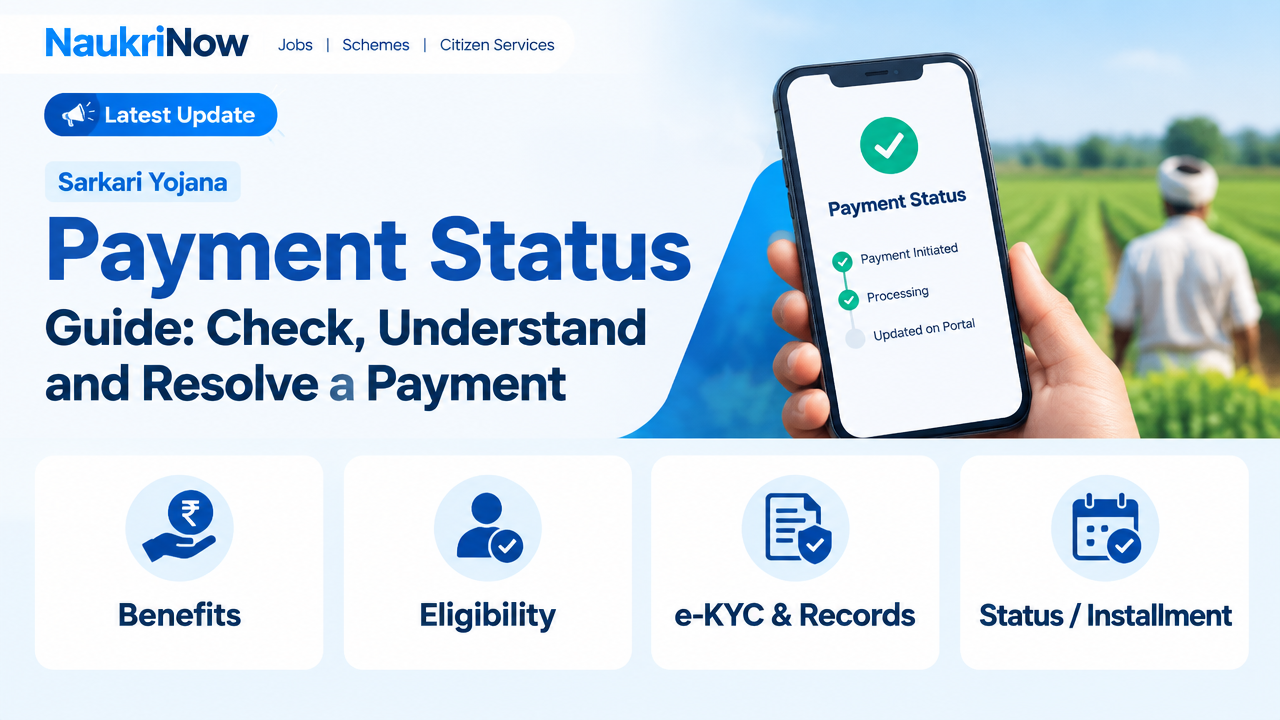
Payment status is a record of what has happened to a transaction. It may be shown by your bank, UPI app, card provider, payment gateway or the organisation you paid. These records do not always update at the same time.
It is useful to separate three questions:
- Did money leave your account? Check your bank statement or the payment method you used.
- Did the payment provider process the transaction? Check the UPI app, bank or card transaction history.
- Did the receiving organisation record the payment? Check the relevant official portal, receipt or account page.
A transaction can have different answers to these questions while systems are updating. Also, a payment marked successful does not necessarily mean that an application, booking or service request is complete. Check the separate application or service status where relevant.
Before you check: keep these details ready
Gather the information that helps you find the right transaction. You usually do not need to share all of it with anyone, but it can help when using an official status page or raising a query.
- The payment date and approximate time.
- The amount and payment method, such as UPI, card, net banking or another option shown on the official page.
- The transaction reference shown in your bank or payment app. Depending on the method, this may be called a UPI reference, transaction ID, order ID or bank reference.
- The application, registration, account or bill number linked to the payment, if applicable.
- A receipt or screenshot showing the status and reference, with sensitive information hidden before you share it.
Use the reference exactly as displayed. Similar-looking numbers, such as a payment gateway order ID and a bank transaction reference, may identify different parts of the transaction.
How to check a payment status
- Open the original official website or app. Use the organisation’s known website or a saved bookmark. If you need to find it, verify the web address through an official notice or the organisation’s verified communication. Avoid links in unsolicited messages and search advertisements that imitate official pages.
- Find the transaction or payment section. Look for options such as payment history, transaction status, receipt, application history or check payment. Labels vary by service, so follow the instructions on that specific portal.
- Enter the requested identifying details carefully. This could be a registration number, application number, transaction reference or other information requested by the portal. Do not enter details on a page unless you have confirmed that it belongs to the responsible organisation.
- Compare the portal result with your payment record. Check the amount, date, reference and recipient. A payment record in your bank app confirms what that provider has recorded; the recipient’s portal shows whether it has matched the payment to your application or account.
- Save the result. Keep the receipt, reference and any status message. Note when you checked, especially if you need to follow up later. Do not post transaction details publicly.
- Take the next step based on the result. If the portal shows a confirmed payment and the associated service is updated, keep the receipt. If records differ, avoid paying again until you have checked the official instructions or sought help through the proper channel.
Common payment messages and what to do
Status wording differs across banks and portals. Treat the message as a description of that system’s record, not as a guarantee that every other system has updated.
| Status shown | What it may indicate | Practical next step |
|---|---|---|
| Successful, completed or paid | The system displaying the message has recorded the transaction as complete. | Check that the receiving portal or account also reflects the payment. Save the receipt and reference. |
| Pending, processing or awaiting confirmation | The transaction has not reached a final state in that system, or confirmation has not yet been received. | Check again using the official channel. Do not repeat the payment just because the page has not refreshed. |
| Failed or declined | The payment did not complete according to the system showing the message. Your account may or may not show a debit. | Check your bank record and the recipient’s portal. Follow their instructions before trying again. |
| Reversed, refunded or reversed to account | A previously debited amount may have been returned or a transaction may have been reversed. | Confirm the credit in your bank or payment account and check whether the receiving organisation still shows an unpaid balance. |
| No record found or status unavailable | The search details may not match, the record may not be available in that system yet, or the portal may be having a technical issue. | Check the reference and identifying details. Retry through the official page and keep evidence if the issue continues. |
These are general interpretations, not fixed definitions. Follow the explanation given by the bank, provider or receiving organisation for your particular transaction.
If money was debited but the portal says unpaid
This mismatch can happen when the payment provider has recorded a debit but the receiving portal has not yet matched the transaction. It does not, by itself, prove that the payment has been lost or completed for the purpose you intended.
- Check the bank or payment app for the transaction’s latest status, not just a notification or SMS.
- Check the official recipient portal again, using the correct application or account details.
- Keep the transaction reference, amount, date and any receipt. Make a note of the portal’s message.
- Read the recipient’s official payment instructions for mismatches, pending transactions and payment queries. Some organisations provide a transaction query facility; others direct users to their own support process.
- If the portal asks you to wait or to submit a query, follow its stated process. Processing and reversal times can vary, so do not assume a universal deadline.
- If the matter remains unresolved, contact the bank or payment provider through its official app, website or published customer-service channel. Give them the reference and explain what the recipient portal shows.
Do not pay a second time unless the responsible organisation’s instructions or a verified support channel clearly says to do so. If a deadline is involved, check the official rules for that service promptly and retain proof of the original attempt.
If a payment failed or the amount was returned
First confirm the final state in your bank or payment account. An on-screen error is not always enough to establish whether money was debited. If there is no debit and the recipient shows unpaid, you may need to try again, but first make sure the original transaction is not still pending.
If the amount was debited and later returned, check whether the receiving organisation has also cleared the payment or whether the transaction needs to be made again. Use the current instructions on the official portal. Avoid starting several new transactions while an earlier one is unresolved, since that can create multiple debits and make reconciliation harder.
Payment status is not the same as application status
For forms, registrations and other online services, payment is often only one step. A successful transaction may still need to be linked to the correct application. The application may also require details to be submitted or confirmed separately.
For example, an applicant may see a successful UPI transaction in their bank app while their application page still shows a payment step as incomplete. They should save the UPI reference, check the official portal’s payment history and follow its instructions for a payment mismatch. They should not assume that the form has been fully submitted until the portal confirms the relevant application status or provides an official acknowledgement.
Likewise, a portal showing an application as received does not always prove that a separate fee or bill was paid. Check both records when the service has distinct payment and submission steps.
Payment safety: protect your money and personal details
- Never share your UPI PIN, card PIN, CVV, net-banking password or one-time password. A genuine status check does not require you to tell these secrets to a caller or message sender.
- Do not approve an unexpected collect request. Read the request carefully. Approving a payment request can authorise money to leave your account.
- Do not install screen-sharing or remote-access apps at someone’s request. A person claiming to help with a refund or status check should not need control of your phone.
- Use only contact details published by the responsible organisation or your payment provider. Do not rely on phone numbers, email addresses or links in unsolicited messages, comments or unofficial posts.
- Share only what is necessary. If you send a receipt to an authorised support channel, hide unrelated account details and never include authentication codes.
- Keep a private record. Store receipts and references securely, and avoid putting full transaction details in public forums or social media posts.
Mistakes to avoid
- Paying again too quickly: a pending transaction may later be confirmed or reversed. Check its status before making another payment.
- Trusting only one screen: compare the record in the payment method with the record on the official recipient portal.
- Confusing transaction and application references: enter the specific identifier requested by the status page.
- Assuming a bank debit means the service is complete: the recipient may still need to match the payment to your account or application.
- Using a search result or message link without checking it: look for the verified official address and avoid lookalike websites.
- Deleting the receipt or confirmation message: keep the reference and date until the payment and related service are resolved.
- Sharing security codes to get a refund: no one should ask you to disclose an OTP, PIN or password to check a transaction.
Frequently Asked Questions
How long does a pending payment take to update?
There is no single timeline that applies to every bank, payment method or receiving portal. Check the transaction details and the official instructions for that service. If the stated process does not resolve the issue, raise a query through the responsible organisation or payment provider.
My bank says successful, but the website says unpaid. Which status should I trust?
Each status describes the record held by that system. Keep the bank reference and check the recipient’s official payment query process. Do not assume the service is complete until the recipient confirms it, and avoid paying again while the first transaction is unresolved.
Should I make another payment after seeing a failure message?
First check whether the amount was debited and whether the transaction is still pending. If there was no debit and the official recipient portal still shows unpaid, follow its instructions for retrying. If money was debited, resolve the mismatch before starting another payment.
Where can I find my transaction reference?
Look in the payment method’s transaction history, receipt or statement. The exact label varies. Use the reference requested by the official portal, and do not confuse it with an application number or a different order identifier.
Does a successful payment mean my application or booking is complete?
Not necessarily. Some services require a separate submission, confirmation or acknowledgement. Check the official application or service page as well as the payment record.
Can I check payment status without sharing an OTP or PIN?
Yes. Use the official transaction history or status page and enter only the details it legitimately requests. Never disclose an OTP, UPI PIN, card PIN, CVV or password to another person.
Who should I contact about an unresolved payment?
Start with the official instructions of the organisation receiving the payment. If the payment provider’s record also needs attention, use the bank or provider’s verified app, website or published contact channel. The correct route depends on which part of the transaction is unresolved.
Conclusion
To check a payment status, compare the official recipient portal with the record from the bank or payment method, and keep the transaction reference and receipt. Treat pending, failed and successful messages as records from specific systems, not as interchangeable proof that every step is complete. If the amount and portal status do not match, avoid a duplicate payment, follow the responsible organisation’s current instructions and contact support through verified channels. Never share a PIN, password or OTP to check a payment or claim a refund.


Comments