Table of ContentsClick to view all sections
- Senior Citizen Scheme: First, identify what kind of support you need
- Understanding the Senior Citizens Savings Scheme
- Check eligibility before collecting paperwork
- How to apply: a practical sequence
- Documents to have ready
- Examples: matching the scheme to the situation
- Common mistakes to avoid
- Where to verify current information
- Conclusion
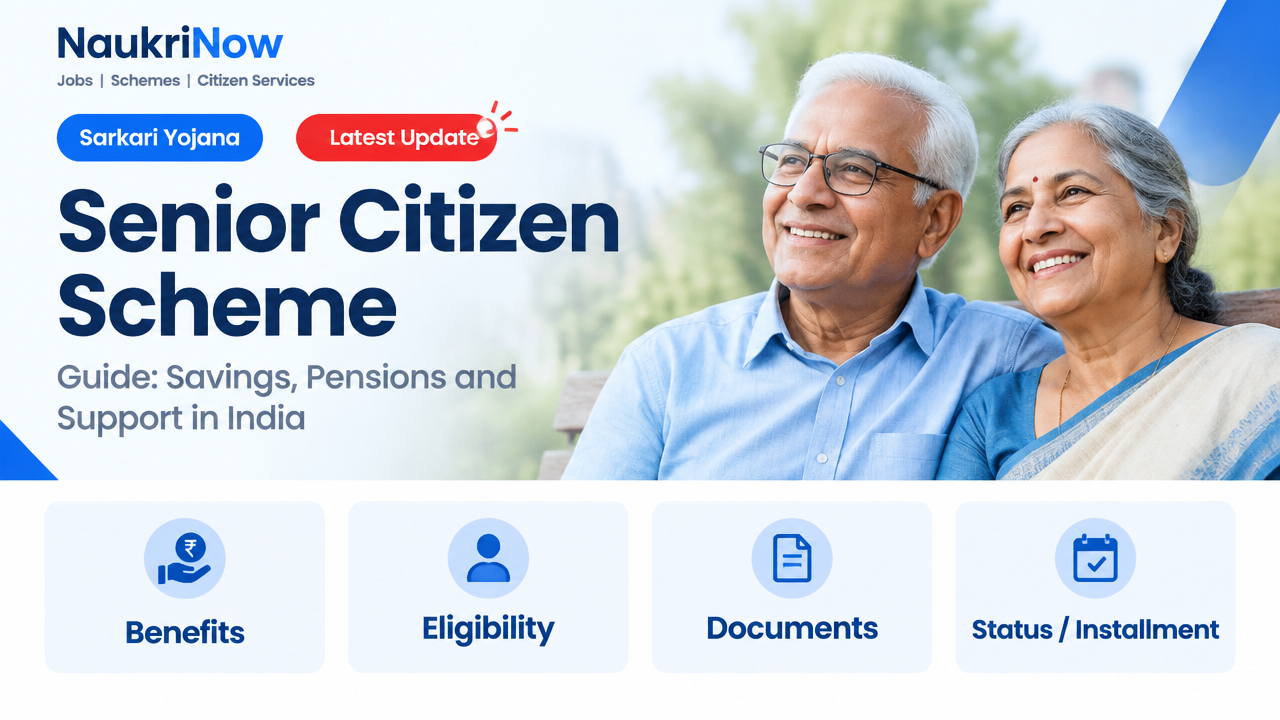
Senior Citizen Scheme Guide: Savings, Pensions and Support in India
In India, the phrase Senior Citizen Scheme may refer specifically to the Senior Citizens Savings Scheme (SCSS), or more broadly to pensions, healthcare support and other programmes for older people. These options serve different needs: some are savings products, while others are benefits subject to income, age, residence or other eligibility conditions.
This guide explains how to identify the right type of support, prepare an application and avoid common pitfalls. Scheme rules, rates, limits and application arrangements can change, so treat this as practical guidance—not confirmation of current terms. Check the latest details with the responsible government department, India Post, a participating bank or another official scheme administrator before making a decision.
Senior Citizen Scheme: First, identify what kind of support you need
Start with the problem you are trying to solve. A person looking for a relatively predictable return on savings needs a different option from someone seeking a regular social pension, health cover or mobility assistance. A scheme’s name alone does not tell you whether it is an investment, a grant, an insurance benefit or a pension.
| Need | What to look into | Where to verify |
|---|---|---|
| Income from savings | Senior Citizens Savings Scheme (SCSS) and other regulated deposit options | India Post, an authorised bank and current government notifications |
| Basic income support | National or state old-age pension programmes | NSAP portal and the relevant state or local welfare office |
| Healthcare support | Public health coverage or state health programmes | National Health Authority and the state health agency |
| Mobility or daily-living assistance | Assistive-device programmes and local support services | Ministry of Social Justice and Empowerment or the district social welfare office |
Availability and eligibility are not the same across India. A central programme may be supplemented by a state scheme, and two people of the same age may qualify for different support because their income, residence, disability status or other circumstances differ.
Understanding the Senior Citizens Savings Scheme
SCSS is a government-backed small-savings product intended for eligible older investors. It is not an old-age pension or a general-purpose subsidy. An account holds an investment under the scheme’s rules, and the applicable interest, deposit limits, payment arrangements, duration and withdrawal conditions are set by the rules in force at the time.
Because these terms can change, do not rely on an old article, a social media post or a rate shown in an archived advertisement. Ask a post office or participating bank for its current SCSS information sheet and application form. Cross-check important terms against official India Post information or the relevant government notification. A bank employee can explain its process, but the written scheme rules are the final reference.
Before investing, consider how much of the household’s money must remain accessible. SCSS may suit someone seeking an organised savings product, but it should not automatically absorb emergency funds or money needed for near-term medical and living costs. Compare it with other suitable options, including their risk, access, tax treatment and conditions. Tax rules can change; confirm them with the Income Tax Department or a qualified tax professional.
Check eligibility before collecting paperwork
Each programme defines who can apply. SCSS eligibility may depend on age or a qualifying retirement-related category, as set out in the current rules. Pension programmes may consider factors such as age, income, household circumstances, state residence or whether the applicant already receives another pension. Health and assistive-device programmes have their own criteria.
Do not assume that one scheme’s definition of a senior citizen applies to every other scheme. A person may meet an age requirement but still need to satisfy residence, income or documentation conditions. Conversely, some support is delivered through a state or local programme with rules different from a central scheme.
- Find the scheme’s official name and the department or institution that administers it.
- Read the current eligibility conditions, including any exclusions and rules for people already receiving support.
- Check whether the application is open through your state, district or local authority.
- Ask what evidence is accepted if a document is missing, outdated or shows a different address or name.
- Keep a note of the office or official channel that confirmed the information and when you checked it.
How to apply: a practical sequence
- Choose the right programme. Decide whether you need an investment account, pension, healthcare support or an in-kind service. If more than one may help, check whether the programmes can be used together.
- Use an official source. For SCSS, approach India Post or a participating bank. For a social pension, start with the NSAP information and the relevant state or local authority. For health coverage, use the official national or state health agency. For assistive devices, contact the responsible department or district office.
- Confirm the current requirements. Ask for the latest form, accepted documents, submission method, any applicable charges and how progress will be communicated. Do not assume an online process is available everywhere.
- Prepare clear, consistent documents. Names, dates of birth, addresses and bank details should match across the application and supporting records. If they do not, ask the receiving office how to correct or explain the difference rather than altering a document yourself.
- Submit through the stated channel. Use the official portal, post office, bank or authorised local office specified for that scheme. Give original documents only for verification unless the authority clearly requires otherwise; ask for them back promptly.
- Keep proof of submission. Save the acknowledgement, application or account reference, copies of forms and any written communication. Note how to check status and how the authority will contact you.
- Review the outcome and ongoing duties. Check the name, account or benefit details and payment instructions. Ask whether you must report changes, complete a periodic verification or renew information. Requirements vary by programme.
Documents to have ready
There is no single document list that applies to every senior citizen scheme. Depending on the programme, an authority may ask for identity and age evidence, proof of residence, photographs, bank account details, income or pension information, and scheme-specific certificates. An SCSS application has different requirements from an old-age pension application or an assistive-device request.
Before visiting an office, check the official checklist and carry the originals requested for verification along with copies if instructed. Make sure the account used for a benefit is active and belongs to the person entitled to receive it, unless the scheme explicitly permits another arrangement. Never share banking passwords, card PINs or one-time passwords as a substitute for normal verification.
Examples: matching the scheme to the situation
A retired person wants income from a savings balance. They can ask a post office or participating bank about SCSS eligibility and obtain the current written terms. They should compare payment frequency, access to money, applicable taxes and withdrawal conditions with their household budget before committing funds.
An older person with little regular income needs support. They should ask the local welfare office whether a state old-age pension or a national pension programme applies. They should not assume that age alone guarantees approval; the office can confirm any income, residence, documentation or other conditions.
A senior needs help with mobility or healthcare costs. They can contact the district social welfare office or official health agency to ask which programmes operate locally and what assessment or eligibility evidence is needed. A general online list may not reflect local availability.
Common mistakes to avoid
- Confusing a savings product with a pension. An investment account and a means-tested welfare benefit work differently and may have different tax, access and eligibility rules.
- Relying on outdated figures. Rates, contribution limits, benefit amounts, payment schedules and rules can be revised. Confirm them on the responsible official channel immediately before applying or investing.
- Applying through an unverified agent. Do not pay an intermediary who promises guaranteed approval, priority processing or an unofficial benefit. Ask the department or institution whether an agent is authorised and what charges, if any, are officially applicable.
- Leaving nomination or account details unchecked. For a savings account, ask how nomination works and review the recorded details. For a benefit, verify the account information before submission.
- Sending originals or sensitive credentials casually. Use only the documents and process requested by the responsible office. Never disclose a PIN, password or OTP to someone claiming to secure a scheme benefit.
- Assuming central rules cover every local service. State and district implementation can differ. Confirm local availability, the correct application office and any state-specific conditions.
- Ignoring a rejection or pending request. Keep the acknowledgement and ask the official office how to correct missing information, check status or use the formal grievance process.
Where to verify current information
Use the authority responsible for the specific benefit rather than relying on a search result or forwarded message. For SCSS, check India Post, a participating bank and current notifications from the Ministry of Finance. For national old-age pension information, consult the National Social Assistance Programme (NSAP) portal under the Ministry of Rural Development and the relevant state or local welfare office. For health coverage, use the National Health Authority or state health agency. For assistive-device programmes, consult the Ministry of Social Justice and Empowerment or the district social welfare office.
For any tax question, use the Income Tax Department’s official information or seek qualified advice. If two sources appear to conflict, ask the administering office for the latest written rule or notification before acting.
Frequently Asked Questions
1. Is the Senior Citizen Scheme the same as SCSS?
Not always. People often use the phrase to mean the Senior Citizens Savings Scheme, but it can also refer generally to pensions, healthcare or other support for older people. Confirm the full scheme name before checking eligibility.
2. Can every older person open an SCSS account?
No. The scheme has eligibility conditions, which may include age or qualifying retirement-related categories. Check the current rules with India Post or a participating bank before applying.
3. Is SCSS a monthly pension?
No. SCSS is a savings product, not a social pension. Its payment arrangements and other terms are governed by the current scheme rules. An old-age pension is a separate programme with its own eligibility requirements.
4. Can someone apply for both a pension and SCSS?
They are different types of support, but whether a person qualifies for each depends on the rules of the individual programmes. Check any restrictions on receiving other benefits and consider the effect of savings or income where a programme assesses eligibility.
5. Where should I apply for an old-age pension?
Start with the NSAP portal for national programme information, then contact the state or local welfare office responsible for applications in your area. The correct process and local conditions can vary.
6. What should I do if a scheme agent asks for an OTP or PIN?
Do not share it. A password, card PIN or OTP should not be disclosed to an agent or caller. Stop the interaction and contact the bank or government office through a channel you independently verify.
7. How do I know whether a benefit amount or interest rate is current?
Check the latest information from the scheme administrator or the official notification that governs the programme. Avoid relying on old news articles, forwarded messages or pages that do not show where their figures came from.
Conclusion
The right Senior Citizen Scheme depends on whether the need is savings, income support, healthcare or practical assistance. Identify the exact programme, check its current eligibility and terms with the responsible official authority, and keep a record of every application. A careful comparison and a verified application can help older people and their families make informed choices without relying on outdated claims or unofficial promises.
Comments